Mining operations rely on more than equipment and machinery. The right chemicals also play an important role in mineral processing, gold recovery, and maintaining efficient operations.
In Tanzania, where gold is a significant part of the mining industry, understanding mining chemicals and sourcing them responsibly are important for mine operators and procurement teams.
From sodium cyanide and lime to activated carbon, each chemical serves a specific purpose. Businesses must also consider supplier reliability, chemical regulations, environmental responsibilities, and local content requirements when planning their mining supply.
Why Are Mining Chemicals Important in Mining Operations?
Mining chemicals support different stages of mineral processing. Depending on the mineral and processing method, they can help separate valuable materials, regulate processing conditions, and recover minerals from ore.
Using suitable chemicals can help operations maintain consistent processing performance and avoid issues caused by unsuitable products or supply delays.
For mining companies, selecting the right chemicals involves understanding the process requirements, product specifications, safety considerations, and applicable regulations.
Three Important Chemicals Used in Gold Processing.
Gold-processing plants may use several chemicals depending on the ore characteristics and recovery method. Three commonly used materials are sodium cyanide, lime, and activated carbon.
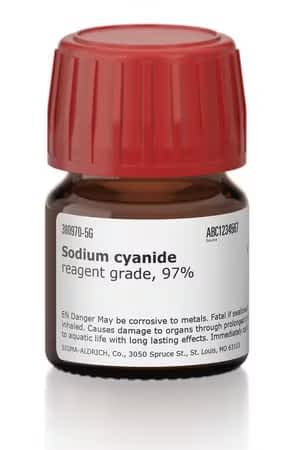
1. Sodium Cyanide for Gold Leaching:
Sodium cyanide is used in certain gold-processing operations to dissolve gold from prepared ore into a solution, allowing it to be recovered in subsequent stages.
Due to its high toxicity, it requires strict controls for storage, transport, handling, and use. Mining companies must follow applicable safety procedures and regulatory requirements.
2. Lime for pH Control:
Lime helps regulate pH and maintain alkaline conditions in many cyanide-based gold-leaching processes. The required type and quantity depend on the processing plant and ore characteristics.
Consistent product quality is an important consideration when sourcing lime for mining operations.
3. Activated Carbon for Gold Recovery:
Activated carbon is commonly used in carbon-in-pulp (CIP) and carbon-in-leach (CIL) systems to adsorb dissolved gold from solution.
Its suitability and performance specifications should match the processing plant’s requirements.
Each chemical serves a different purpose. Mining teams should select products based on technical requirements and ensure they are handled by trained personnel under appropriate safety controls.
What Should You Look for in a Mining Chemical Supplier?
Choosing a supplier involves more than comparing prices. Mining businesses need materials that meet their specifications and can be delivered with the necessary documentation.
Key considerations include:
- Product quality: Confirm that products meet the processing plant’s technical specifications.
- Regulatory compliance: Check applicable registration, permit, import, and handling requirements.
- Supply reliability: Assess lead times, delivery arrangements, and the supplier’s ability to meet operational needs.
- Safety documentation: Ensure appropriate product information and safety data are available.
- Clear communication: Work with suppliers who can clarify specifications and coordinate procurement requirements.
A dependable mining supply strategy helps businesses plan purchases more effectively and reduce avoidable supply-chain disruptions.
Mining Chemical Regulations in Tanzania: GCLA and NEMC.
Mining businesses sourcing or handling chemicals in Tanzania must understand the regulatory requirements that apply to their activities.
GCLA Chemical Registration:
The Government Chemist Laboratory Authority (GCLA) regulates industrial and consumer chemicals in Mainland Tanzania. Chemical dealers are required to register through the Customer Chemicals Management Portal, while specific chemical registration and permit requirements depend on the product and activity.
Businesses involved in importing or distributing mining chemicals should confirm the relevant requirements with GCLA before proceeding.
Environmental Compliance and NEMC:
Mining operations must comply with applicable environmental laws, approvals, and environmental management requirements. The National Environment Management Council (NEMC) has an important role in environmental oversight.
Depending on the operation, relevant obligations may cover pollution prevention, hazardous waste management, and the safe handling and disposal of materials.
Mining companies should confirm the environmental requirements applicable to their site and activities.
Why Local Content Matters in Tanzania’s Mining Supply Chain?
Tanzania’s mining local content framework requires mining licensees, contractors, subcontractors, and other relevant entities to give preference to goods produced or available in Tanzania and services provided by Tanzanian citizens or indigenous companies, subject to the applicable regulations.
This makes local sourcing an important consideration for mining procurement teams.
For locally based suppliers, including Reed Engineering, understanding these requirements can help communicate their relevance to the Tanzanian mining sector. Local suppliers may also offer practical advantages in communication, delivery coordination, and access to support, depending on their capabilities.
However, local presence alone does not guarantee eligibility or a contract. Suppliers and mining companies should check the applicable local content rules and procurement requirements.
How Reliable Mining Supply Supports Better Operations?
An effective mining supply chain connects product quality, procurement planning, delivery coordination, and operational requirements.
Mining businesses can strengthen their supply planning by forecasting material needs, confirming product specifications, maintaining safety documentation, and coordinating deliveries around operational schedules.
These practices help reduce avoidable procurement issues and support more consistent operations.
Working with suppliers who understand the mining sector’s requirements can also make it easier to assess suitable solutions and coordinate supply needs.
Also Read: Core Trays for Mining Exploration: A Practical Guide for Tanzania
Mining Supply and Engineering Support from Reed Engineering.
Reed Engineering supports businesses across Tanzania’s mining, oil and gas, industrial, and energy sectors with engineering expertise and tailored solutions.
For mining businesses, identifying the right supply and engineering partner means considering operational requirements, product suitability, documentation, and delivery coordination.
If your business is reviewing its mining supply needs, contact Reed Engineering to discuss your requirements and explore suitable solutions.
Looking for mining supply and engineering support in Tanzania?
Visit Reed Engineering to learn more about its services.
Frequently Asked Questions:
Mining chemicals support mineral processing, including leaching, pH control, mineral separation, water treatment, and mineral recovery.
Depending on the process, gold-processing plants may use sodium cyanide for leaching, lime for pH control, and activated carbon to recover dissolved gold in CIP or CIL systems.
Chemical dealers in Mainland Tanzania must register through GCLA’s chemical management system. Specific registration and permit requirements should be confirmed for the relevant chemical and activity.
NEMC has an important environmental oversight role. Mining businesses must also comply with the environmental laws, approvals, and requirements applicable to their operations.
Tanzania’s mining local content framework gives preference to locally available goods and services provided by Tanzanian citizens or indigenous companies, subject to applicable requirements.